Best Above Ground Pool Cleaner
The short answer
Choose the Dolphin Explorer E10 USW for independent floor cleaning, the Zodiac Ranger for a compatible vinyl pool and skimmer, or the Polaris 65 for return-powered leaf collection. Check the exact pool, liner and connection first.
Last updated October 15, 2026
Compare pool fit and cleaning work7
The best above ground pool cleaner depends on your pool and the dirt it collects. A robot keeps collected debris out of the pool filter. A suction cleaner uses the filter system. A pressure cleaner uses returning water and can collect leaves in a separate bag. These picks come from published US spec sheets and owner manuals, with no hands-on testing or pickup scores.
1. Dolphin Explorer E10: Separate floor cleaning
Dolphin Explorer E10 99996133-USW Dolphin Explorer E10 99996133-USW
Our verdict:
Independent floor cleaning
A corded robot for above-ground owners who want debris kept out of the pool filter.
- Above-ground pool classification
- Floor coverage, up to 30 ft pool length
- Top-access fine filter basket
Keep in mind: Does not provide waterline scrubbing. The mains power supply needs a safe dry position.
The Dolphin Explorer E10, US product 99996133-USW, is the starting choice when you want a cleaner that runs apart from the pool pump. Maytronics classifies this version for above-ground pools. It lists floor coverage and a maximum pool length of 30 feet. Its basket opens from the top. Choose it by pool fit, safe power access and the work of lifting it out.
The maker lists a fine filter basket for this US version. Fine filtering is not a promise that it will catch every particle. Check the actual basket supplied with the exact package before choosing it for very small debris. A retailer's optional filter bundle should not be confused with the standard gear.
The published coverage is the floor. Do not buy it to replace wall or waterline brushing. A cove, ladder and raised seam can also affect where any floor cleaner travels. Keep those features on your pool fit checklist even when the stated pool length is a match.
This is a corded cleaner. The power supply must sit in the safe, dry location described in its manual. Do not improvise wiring or place a mains device on the pool rim. Read the Maytronics US Explorer E10 specifications and its linked Explorer E10 USW owner manual. These specifications were checked October 15, 2026; they apply to USW, not another E10 version.
2. Zodiac Ranger: Skimmer-connected suction
Zodiac Ranger W01698 Zodiac Ranger W01698
Our verdict:
Skimmer-connected suction
A vinyl above-ground option when the skimmer, hose reach and operating flow match.
- Above-ground vinyl pools
- Skimmer connection
- Diaphragm drive with FlowKeeper valve
Keep in mind: Debris goes into the pool filter system. The manual specifies floor cleaning.
The Ranger is an above-ground vinyl-pool option for a system with a suitable skimmer. It moves using water drawn through the cleaner and hose into the filter system. A diaphragm provides the moving action; the FlowKeeper valve controls flow. It is a different choice from a robot with its own filter basket.
Choose it when your skimmer connection, running flow and hose route have been checked. Do not choose it just because your pool pump has a large horsepower number. The installed pump, filter and plumbing work together. A blocked basket or loaded filter can change the flow available to the cleaner.
Zodiac supplies a deflector to help it negotiate obstacles. That does not make every ladder or stair shape suitable. Its owner manual describes floor cleaning and says it is not designed to climb walls. The broader language on the product page should not be read as a guarantee of wall coverage.
The catch is the dirt route: collected debris adds work to the pool filter system. Owners with frequent leaf loads should think about basket checks and filter care as part of cleaning. Our suction cleaner comparison explains that trade-off and compares the Ranger with other above-ground choices. See the official US Ranger spec sheet for model W01698.
3. Polaris 65: Return-powered leaf collection
Polaris 65 6-130-00 Polaris 65 6-130-00
Our verdict:
Return-powered leaf pickup
A pressure-side option for an above-ground pool with a matching return fitting and adequate return flow.
- Above-ground pools up to 5 ft deep
- No booster pump required
- Collects debris in its own bag
Keep in mind: No active brushing. Return pool fit and hose adjustment still matter.
The Polaris 65 uses clean water returning to the pool. It collects debris in its own bag rather than sending that collected material through a suction hose to the pool filter. That makes it worth considering when leaves are the main nuisance and the existing return arrangement fits.
Polaris lists this model for above-ground pools up to five feet deep and says it does not need a booster pump. Those facts apply to this model, not every pressure-side cleaner. Many pressure cleaners aimed at in-ground pools have a different connection and pump setup.
Its jet sweep is not an active scrubbing brush. Expect to keep brushing where the liner, steps or waterline need it. Bag care also stays on the owner's task list. A full bag can hold material in the pool even when the cleaner still moves.
The return fitting must match the manual. A return hose on a seasonal frame pool is not automatically the same as the threaded wall fitting described for the Polaris. For the fitting check and alternatives, use our pressure cleaner selection guide. The Polaris 65 US page identifies SKU 6-130-00.
Factors to consider when choosing the best above ground pool cleaner
Start with the pool, not the product picture
Write down the pool maker, model, filled dimensions and liner type. Add whether the pool is permanently installed or taken down for storage. Those details can exclude a cleaner before any feature comparison begins.
A permanent steel-wall pool and a seasonal frame pool can both be called above-ground pools. Their fittings and gear may differ. Some cleaners specify permanent pools only; others name a particular frame-pool family. Treat that wording as part of the selection rule.
Vinyl pool fit is another separate check. A model that can clean vinyl in an in-ground pool is not thereby approved for an above-ground pool. Our Baracuda G3 review shows why that distinction matters: the US maker lists the G3 as an in-ground cleaner.
Check the liner before using any cleaner. Stop if it is brittle, torn or showing serious wear. A pool-type match does not repair an unsafe or damaged surface. Follow the pool and cleaner manuals for the actual material and condition.
Match the cleaner to the debris
Leaves, sand and fine dust pose different tasks. A large collection bag can suit bulky leaves, but its size alone says little about tiny-particle capture. A fine basket can suit smaller debris, but its name is not a measured pickup score.
Ask where the material ends up. A robot stores debris in a basket. A standard suction cleaner passes it toward the pool filter. The Polaris pressure cleaner in this guide stores it in a bag. Some suction models have a collection tray, so the category name alone does not tell the full story.
Remove large branches and heavy piles before starting a cleaner. That is preparation, not evidence that a cleaner has failed. A machine stated for regular upkeep may be a poor way to handle the first cleanup after a long period of neglect.
Algae is a water-care issue as well as a surface-cleaning issue. A vacuum does not replace the water-treatment instructions in the pool manual. Do not treat a greener floor as proof that buying a larger cleaner will solve the cause.
Check floor shape and obstacles
Measure the longest route the cleaner or its hose must reach. Pool diameter is useful, but a hose connected off to one side may have a different path from a cable placed near the middle. Use the maker's hose-sizing rule rather than adding random lengths.
List the cove, steps, ladder and any ledge. A deflector wheel can help with some obstacles without making them disappear. A floor-only robot can still leave a patch near a ladder. Those remaining areas need an owner cleaning plan.
A flat-floor cordless model should not be assumed to cope with a dish-shaped floor or a steep change in level. The floor limits must come from its exact manual. This comparison does not rank cordless models whose full pool-fit evidence has not been checked.
Separate advertised flow from installed flow
For a pump-powered cleaner, compare the model's needs with the installed system. A headline pump rating may describe a different condition from the water flow available at the cleaner. Hose length, the filter and the plumbing can affect that difference.
Use the supplied flow gauge where the manual calls for one. It checks the cleaner's working condition more directly than a horsepower label. Do not apply the reading scale from one brand's gauge to another cleaner.
Avoid buying a stronger pump as the first response to slow movement. Check the filter, basket, hose and setup against the manual first. A new pump can create other gear and electrical needs. It is not a universal accessory fix.
Plan the work after each cycle
The useful time saving is reduced floor-cleaning work. It does not mean no pool care. You still need to retrieve the cleaner, empty its debris container or service the filter system it uses, and check the parts that contact the liner.
Think about where hoses will be stored and where a corded unit's power supply can stay dry. Think about how you will lift a water-filled cleaner. If those tasks are awkward, a different cleaner type may be easier to live with even when the first model's published spec sheets fit.
Remove the cleaner before swimming as directed by its manual. Keep hoses and suction openings away from bodies and hair. The CPSC pool electrical safety guide explains why power near water needs care. A cleaner comparison is not a wiring guide.
Compare ownership costs without guessing prices
Before choosing a model, check the seller's exact package, replacement parts, return terms and matching US warranty. A cheaper bare unit can require a hose, bag or fitting that a different package includes. A warranty duration does not tell you which wear items it covers.
There is no universal cost ranking here. Prices and package contents can change, and we have not measured the electricity used in your pool. Compare the parts you would actually need and the tasks you would actually do.
How we picked these models
We checked US pool-type listings and owner manuals before features. The E10, Ranger and Polaris 65 have stated above-ground use. Each uses a different dirt route and leaves different care tasks to the owner. We did not measure pickup, noise or running costs. We excluded choices whose pool fit was unclear and kept the manual's coverage limits in each verdict.
Frequently asked questions
Can an in-ground cleaner work in an above-ground pool?
Do not assume it can. Pool type, surface, fittings and floor shape are separate limits. The G3 is listed for in-ground pools despite its vinyl-surface listing. An above-ground owner should use a model with explicit above-ground source record, then check the remaining needs against the actual pool.
Is a robot better than a suction cleaner?
A robot can keep its collected debris out of the circulation filter and run apart from that pump. A suction cleaner can use an existing matching system. Neither feature makes one type best for every pool. Check the debris route, safe power access, filter work and pool-fit limits before deciding.
Do pressure cleaners always need a booster pump?
No. The Polaris 65 and Turbo Turtle spec sheets say no booster pump is required. Other pressure cleaners can have different needs. A return connection and enough suitable flow still matter. Check the exact model rather than using the cleaner category as a setup rule.
Will a cleaner remove algae by itself?
Do not rely on it for that. Surface cleaning and water treatment are different tasks. Follow the pool's water-care steps, deal with the cause and choose debris filtering that matches the material left behind. A promise of automatic vacuuming is not a promise of safe or sanitized water.
More in this guide
Verdict: Best Above Ground Pool Cleaner by Pool Fit
The best above ground pool cleaner is the one whose listed limits match your pool and whose remaining work you can manage. Start with the E10 for separate floor cleaning, the Ranger for a suitable vinyl pool and skimmer, or the Polaris 65 for a matching return-powered bag cleaner. Reject any choice that needs you to guess its pool fit.
Choose by pool setup

3 picks
Compare Aiper pool cleaner choices for flat floors, wall work and floating leaves. Keep the 2024 Scuba models separate from the EcoSurfer S2 surface skimmer.
See all 3 picks
3 picks
Compare three Beatbot pool cleaners by floor, wall, shallow-area and surface work. Check retrieval, filter care and exact above-ground pool limits.
See all 3 picks
3 picks
Compare three above-ground pool filter choices by included pump, cartridge or sand care, operating flow and fittings. See which system scope fits your job.
See all 3 picks
3 picks
Compare three above-ground pool cleanup routes for loose algae residue after treatment. Check filter capture, manual setup and the limits of routine robots.
See all 3 picks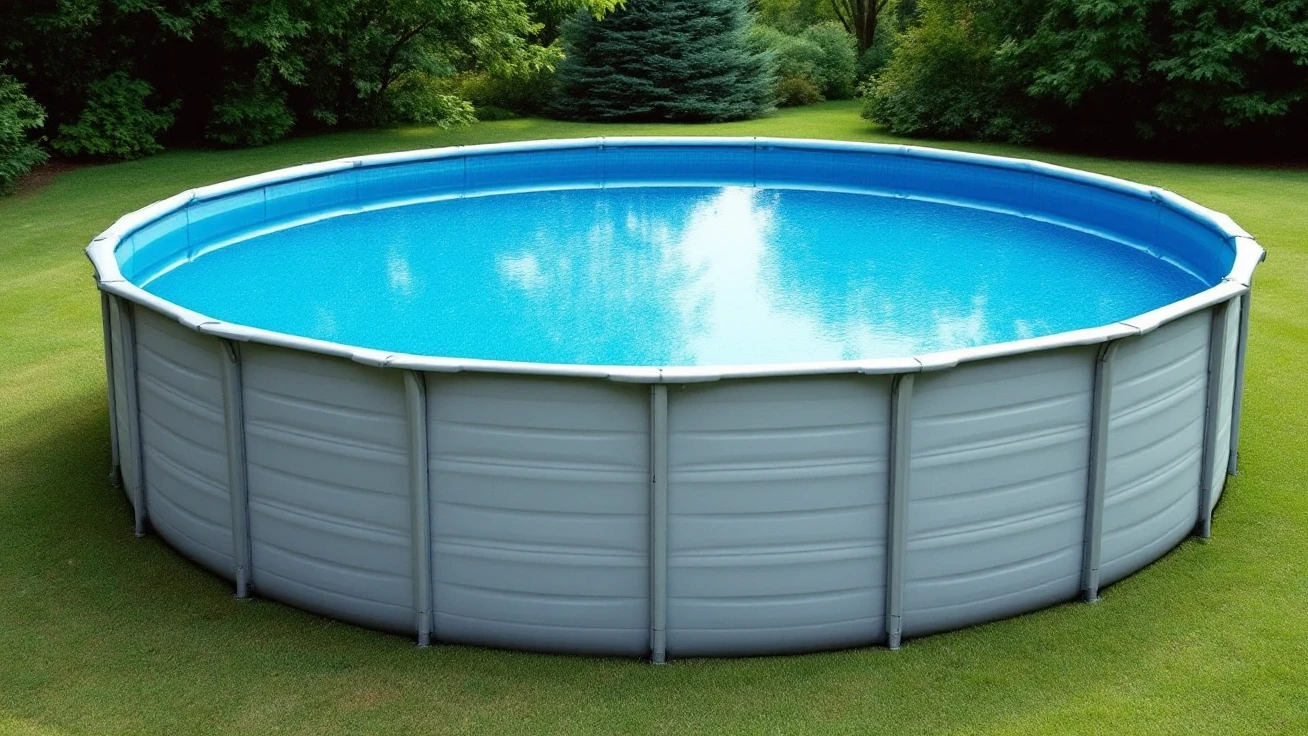
3 picks
Compare three above-ground vacuum routes by gear you already own, pool fit and care needs. See manual kit, handheld and flat-floor robot trade-offs.
See all 3 picks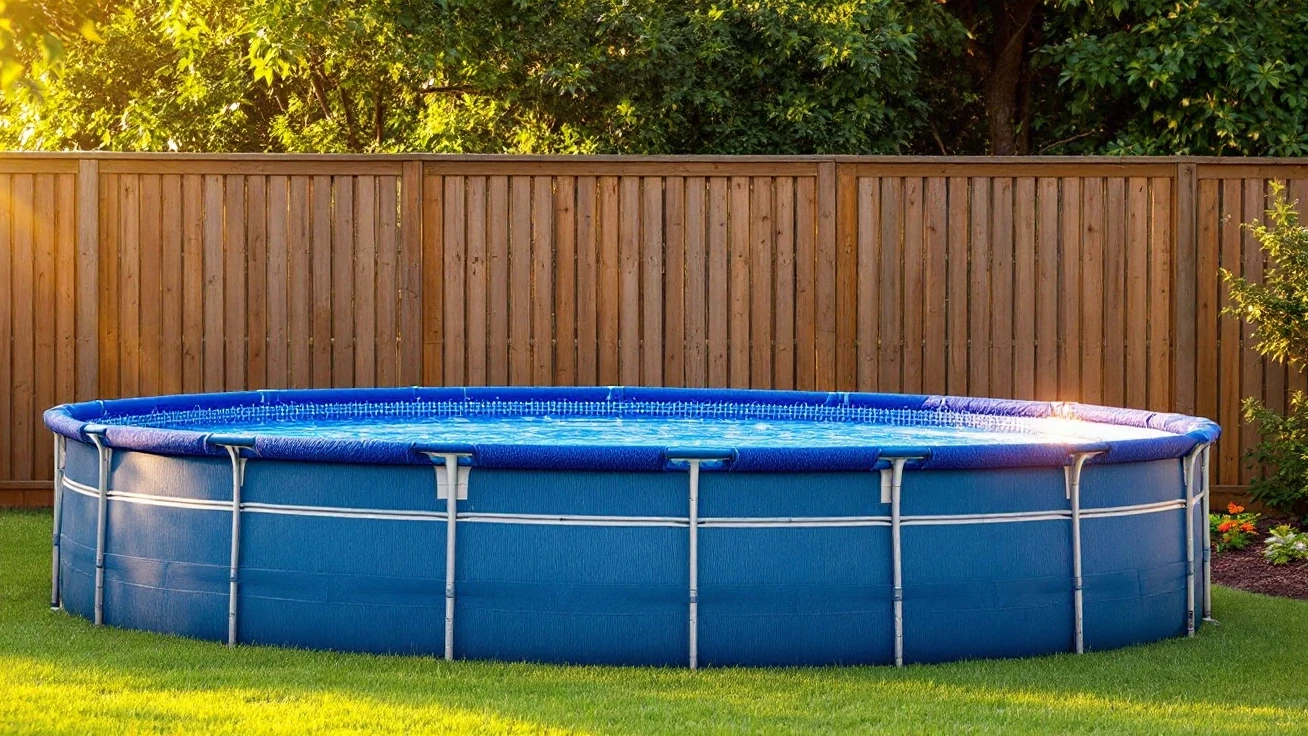
3 picks
Compare three above-ground pump and filter combos by pool match, operating flow, fittings and sand or cartridge care. Check what each system includes.
See all 3 picks
Browse by topic
Pool care and flow planning
Check the cleaning route and equipment limits before choosing a replacement.
